Why shade matching is where beauty carts go to die
Foundation is the highest-consideration purchase in beauty. Shoppers can't swatch through a screen, so they hesitate, open five tabs of swatch blogs, and abandon. Brands feel it as low PDP conversion and high return rates on complexion products.
The trust gap is visual. Studio-lit brand imagery can't answer “will this work on my skin tone?” Only someone who looks like the shopper can.
Returns are a shade problem. Across complexion categories, wrong-shade purchases drive the majority of returns — an expensive, fixable leak.
Filters made it worse. Shoppers now discount polished content by default. Authenticity isn't a nice-to-have; it's the conversion mechanism.
What a shade-match UGC gallery actually changes
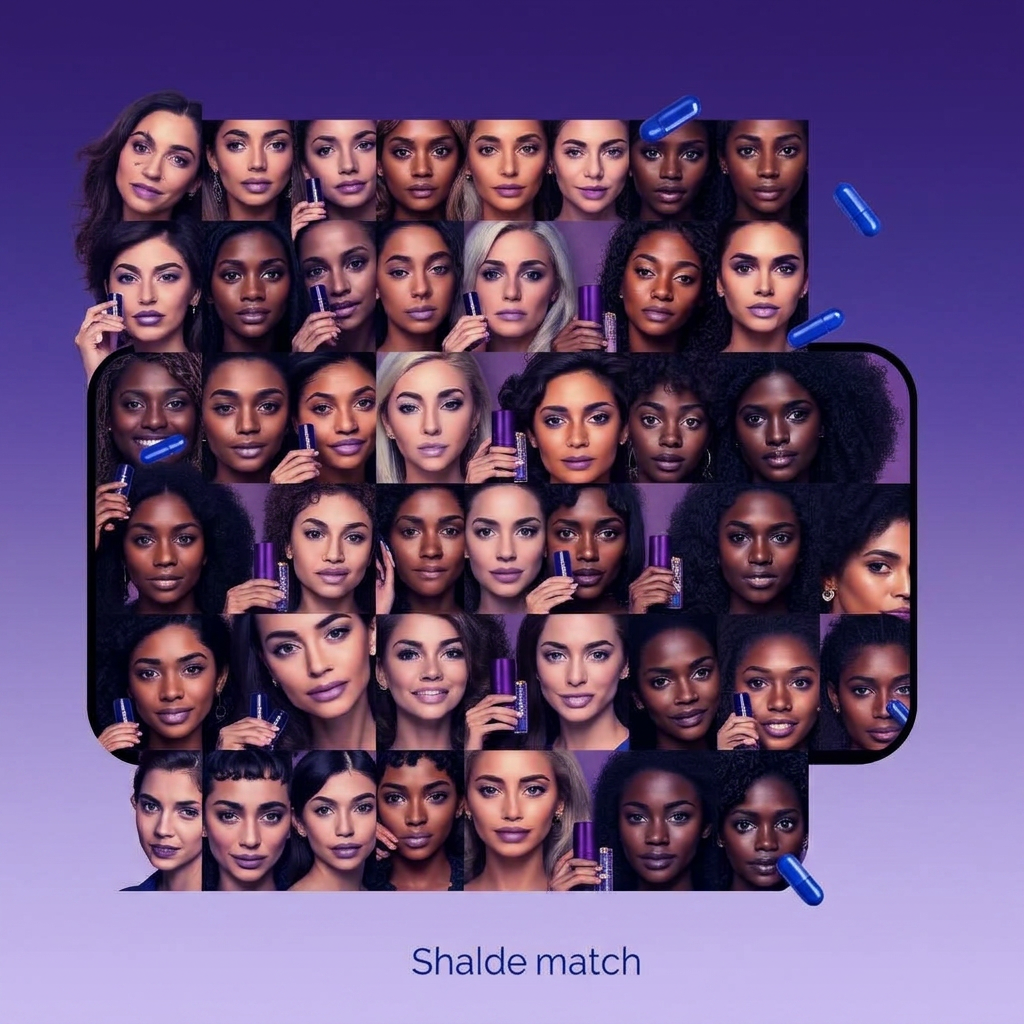
Hue's shade-matching module asks shoppers one question — “which of these creators best matches your skin tone?” — then rebuilds the PDP around that answer: videos, reviews and shade recommendations from customers with the same undertone and depth.
The mechanics
Every video in the gallery is tagged by shade family. When a shopper self-identifies, the module reorders content instantly — no quiz fatigue, no email gate. The result is a PDP that feels like a friend's recommendation instead of a catalog page.
The results brands are seeing
Beauty brands running shade-matched UGC with Hue have reported conversion lifts of up to 600% ROI on the program, with meaningful drops in shade-related returns. Bluemercury saw a +93% conversion boost after syndicating shoppable UGC to retail PDPs.
+93% conversion Bluemercury, with Hue's shoppable UGC syndication.
2.2x engagement Tatcha, with ritual-led shoppable video on PDPs.
+38% conversion Cliganic, with routine-led UGC from real customers.
Getting started
Most brands launch their first shade-matched gallery in under two weeks: connect your existing UGC library or let Hue Community source new content, tag by shade family, and ship the module to your highest-traffic PDPs first.